

Our Story

About Us
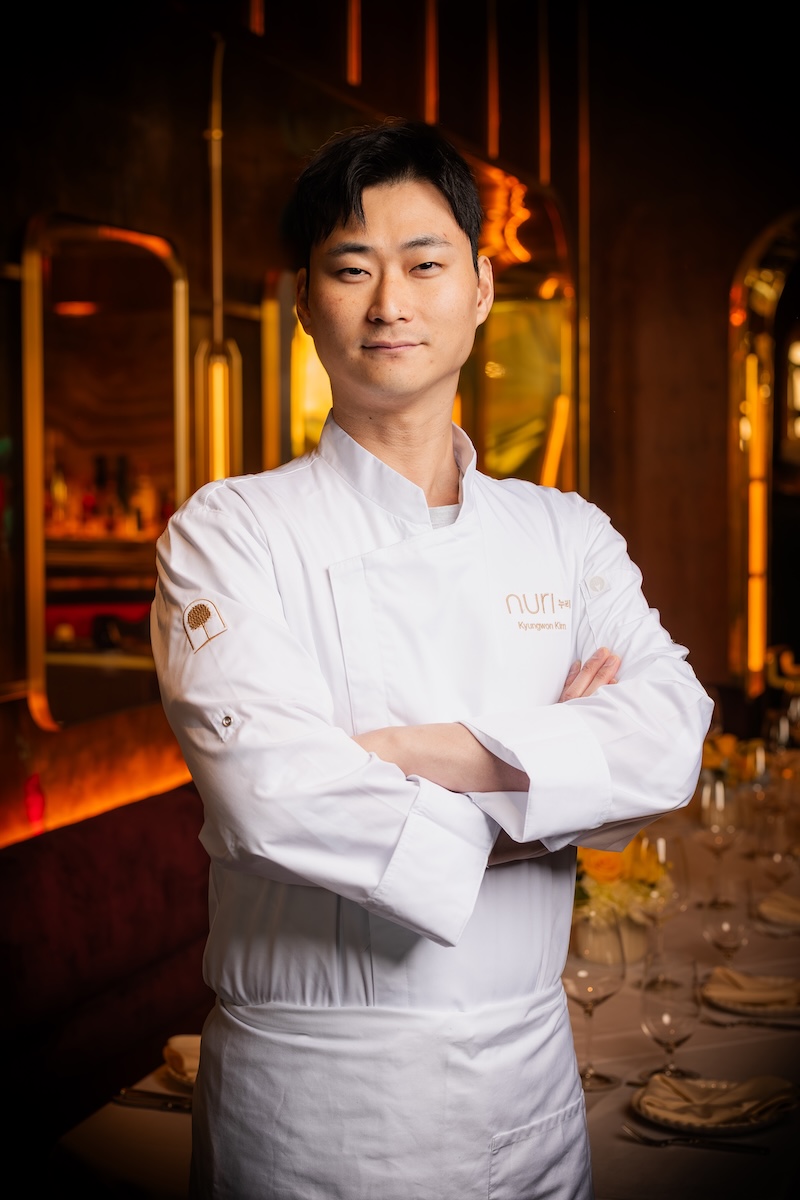
Executive Chef Kyungwon Kim
Executive Chef Kyungwon Kim brings a deeply personal perspective to Nuri Steakhouse, shaped by his Korean heritage and experience in some of New York City’s most respected kitchens.
A graduate of the Culinary Institute of America, Kim spent five years with Oiji and Michelin-starred Oiji Mi, helping introduce guests to a refined and contemporary expression of Korean cuisine. He later joined Daniel Boulud’s celebrated flagship restaurant, Daniel, where he rose to Executive Sous Chef and further developed his foundation in French fine dining.
At Nuri, Kim brings those experiences together through food that feels polished yet approachable. His menu pairs the comfort of a classic steakhouse with Korean flavors and ingredients inviting longtime guests and first-time visitors alike to experience Korean cuisine in a warm and familiar way.
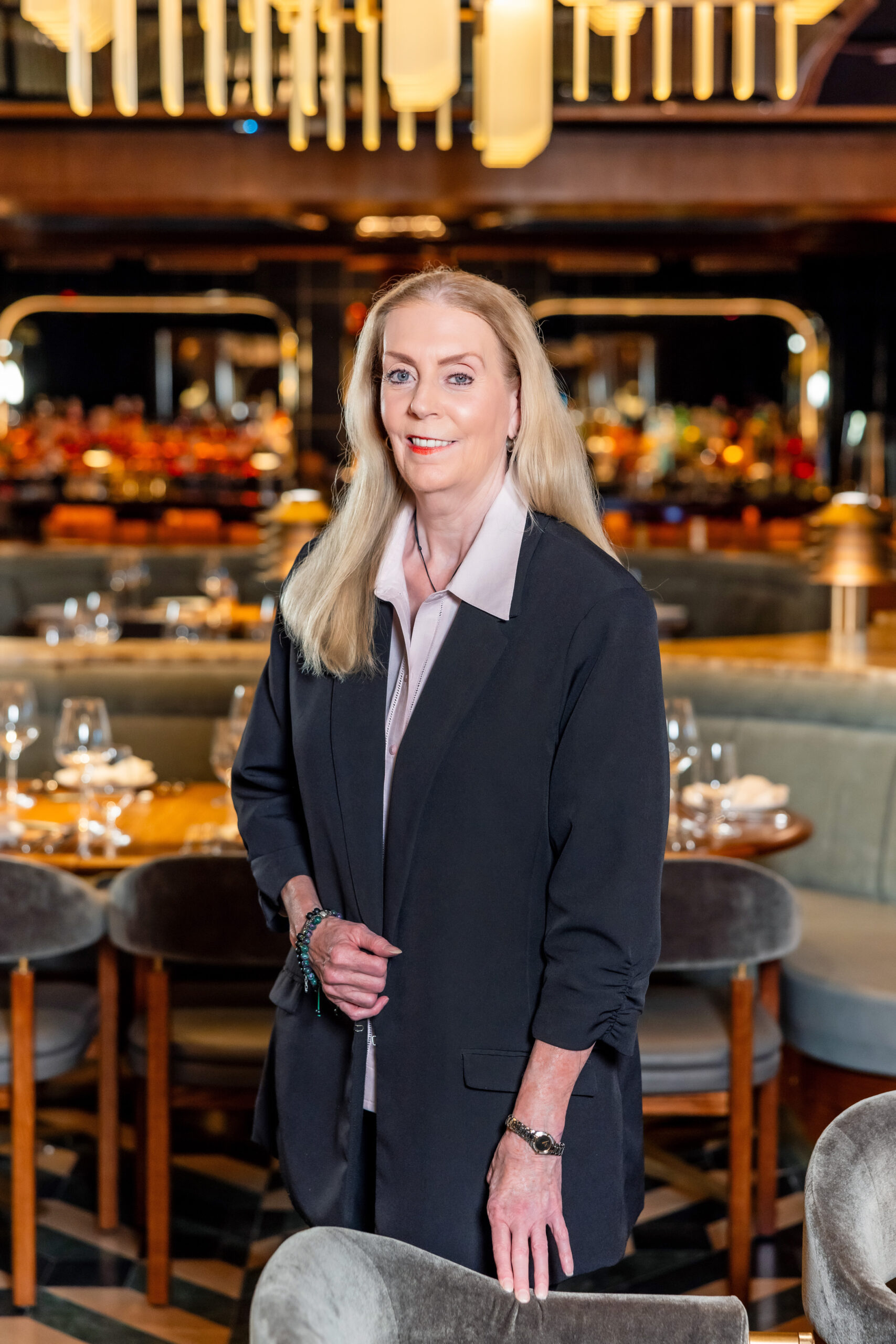
Master Sommelier, Barb Werley
ABOUT BARB WERLEY, MS
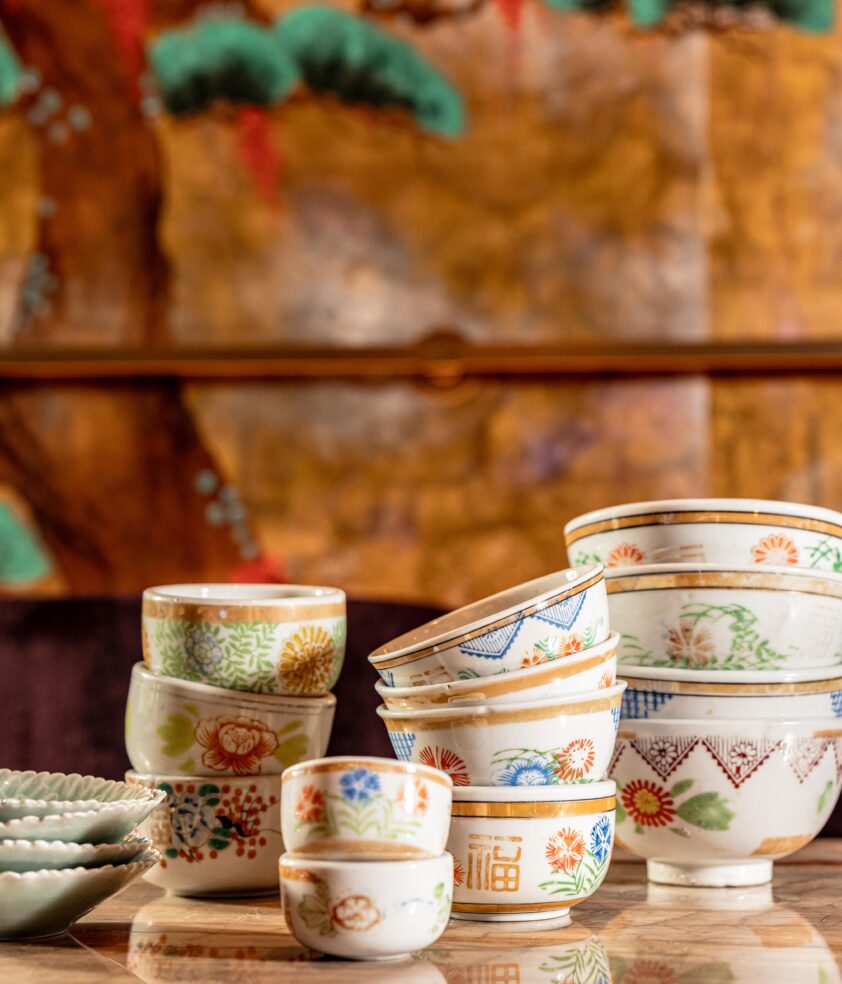
Ceramics
At Nuri, we cherish the history embedded in our unique collection of bowls, over a century old, believed to have graced the homes of the affluent during Korea's Japanese colonial period. These artifacts remind us of a challenging era when, starting in 1910, Japan's colonial rule sought to erase Korean identity and autonomy. The oppressive governance stripped Koreans of rights, lands, and economic status, imposing harsh policies and controls. Our bowls symbolize resilience and the indomitable spirit of a nation that has endured and flourished against the odds, honoring a rich cultural heritage that survived adversity.
Design


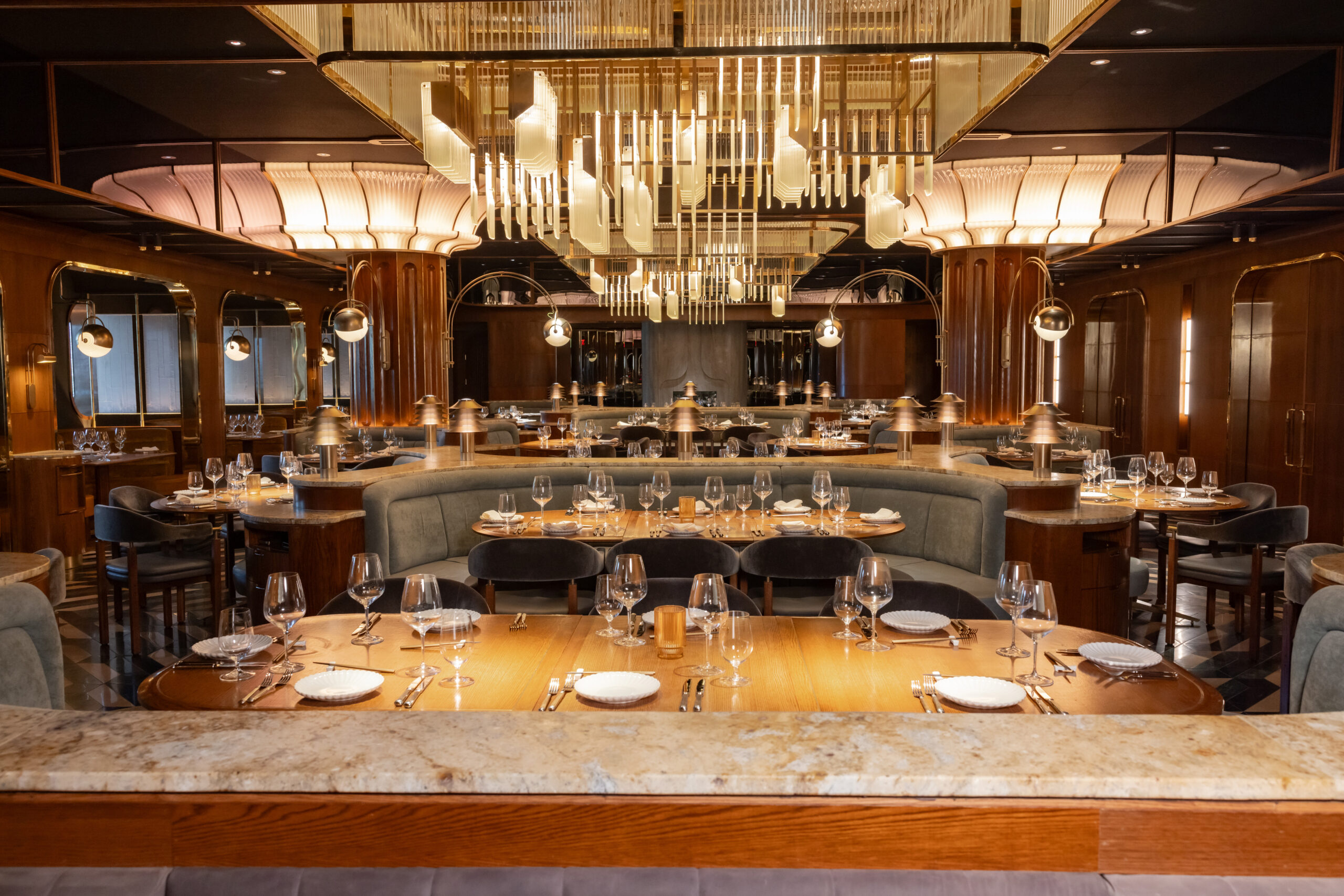
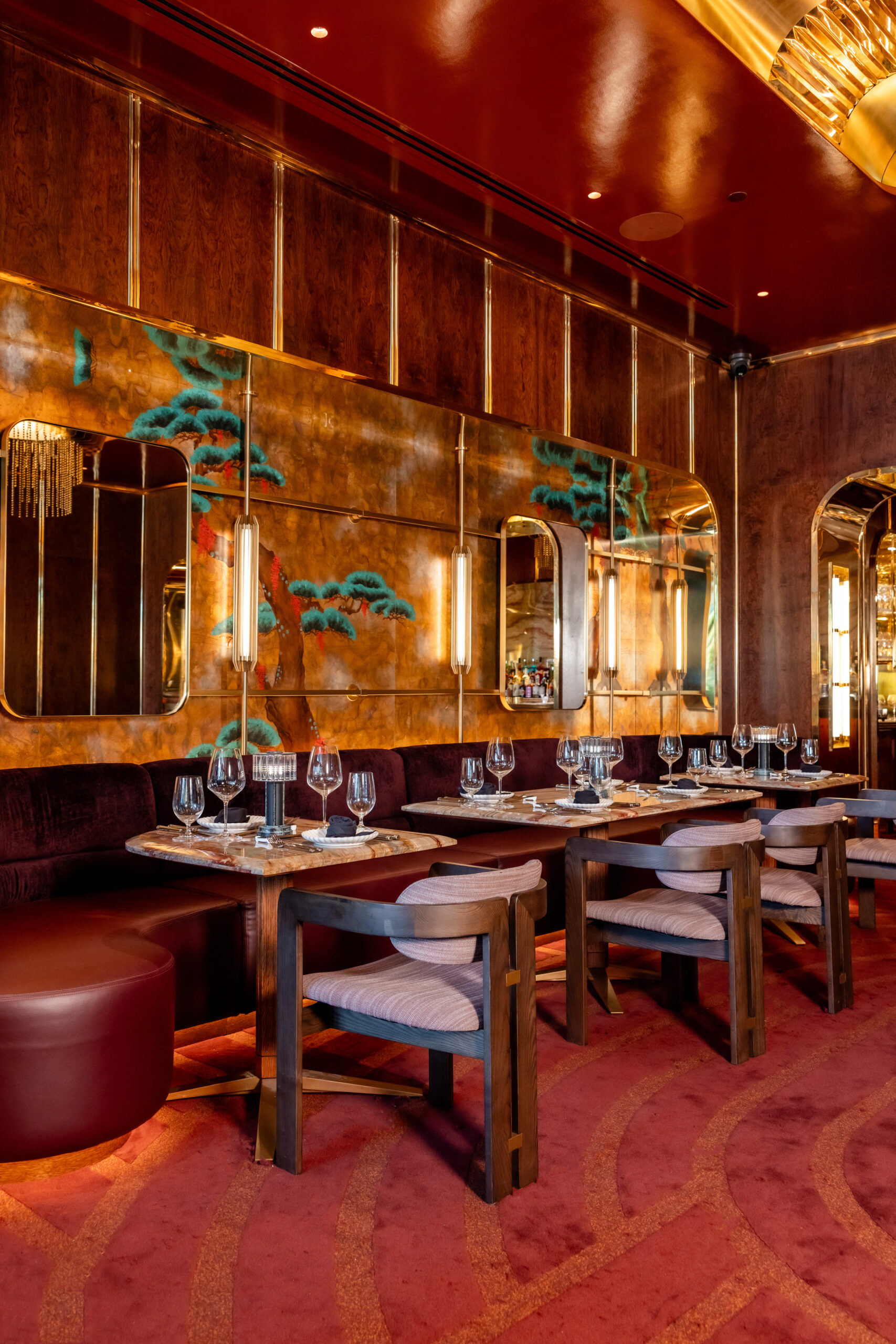
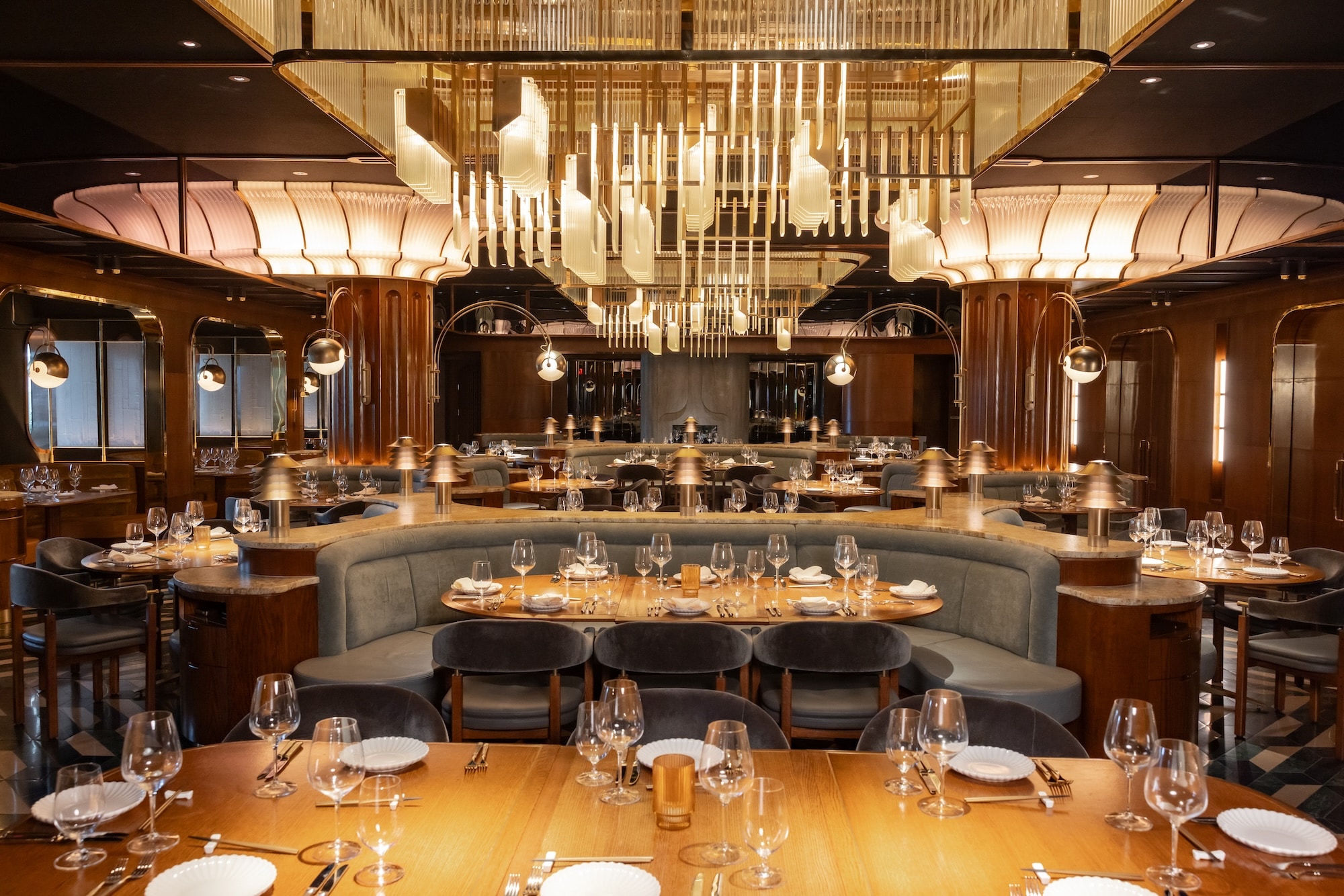
Designed by the acclaimed AvroKO team, the lavish interiors of Nuri Steakhouse draw inspiration from the Art Deco era, featuring curvaceous forms, soft fabrics, and intricate details in wood, metals, and stones. Traditional Korean celadon ceramics influence the colors and textures throughout the space, adding a timeless elegance.
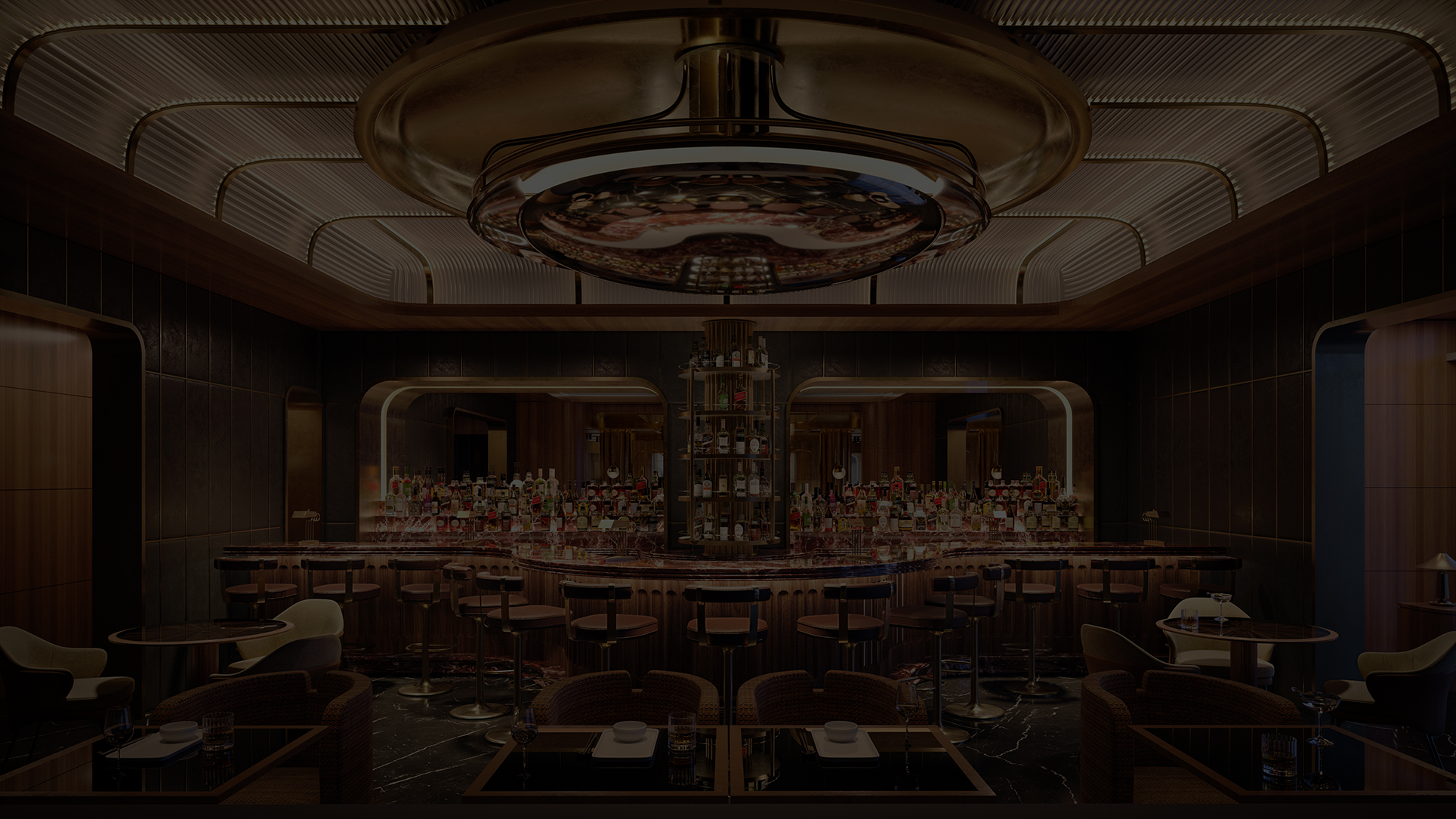
A bold cyberpunk aesthetic weaves in modernity, reflecting the digital gaming culture of Asia. Black cork and brass-paneled walls resemble circuit boards while enhancing acoustics, and reflective metal finishes nod to computer components. The bar’s glowing ceiling, crafted from a massive milk truck panel, adds industrial drama.
Stone floors, with circuit-inspired patterns, lead to a jade-like stone fireplace. In the private dining room and member’s lounge, de Gournay hand-painted wall coverings blend Asian textures with Korean influences, creating an atmosphere that is both sophisticated and visually captivating.


Nuri Newsletter
Sign up to receive exclusive updates and events.